
Peptides Injections for Weight Loss in 2026: Top Options & Retatrutide Explained
Looking for powerful peptides injections for weight loss? Once-weekly injectable peptides that target appetite, metabolism, and fat burning have transformed obesity treatment. In 2026, FDA-approved options like Tirzepatide and Semaglutide deliver impressive results, while the investigational triple agonist Retatrutide is generating excitement with some of the highest weight loss percentages reported in clinical trials to date.
This guide covers the most effective peptide injections for weight loss, how they work, real results, side effects, and a full breakdown of Retatrutide peptide — its unique mechanism, trial data, and current status.
How Peptides Injections for Weight Loss Work
Peptide injections for weight loss are synthetic versions of natural gut or metabolic hormones. They are typically administered as once-weekly (or daily) subcutaneous injections and work by:
- Suppressing appetite and reducing food cravings through brain signaling
- Slowing gastric emptying so you feel full longer
- Improving insulin sensitivity and blood sugar control
- In advanced options, increasing energy expenditure (calorie burning)
The most effective ones are multi-receptor agonists. All deliver the best outcomes when combined with a calorie-controlled diet, resistance training, and high protein intake to help preserve muscle mass.
Top Peptides Injections for Weight Loss in 2026
Here’s how the leading injectable peptides compare based on current clinical evidence:
- Tirzepatide (Zepbound / Mounjaro): Dual GLP-1/GIP agonist — currently one of the strongest approved options, with average weight loss of 20–25%+ over 72 weeks. FDA-approved for weight management.
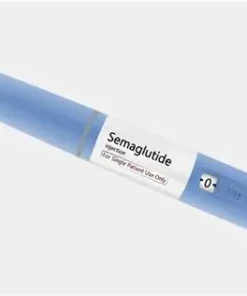
- Semaglutide (Wegovy / Ozempic): GLP-1 agonist delivering 15–20% average body weight reduction. FDA-approved with proven cardiovascular benefits and available in weekly injections (oral forms also exist).
- CagriSema (Cagrilintide + Semaglutide): Combination therapy showing around 23% weight loss in trials; under FDA review with potential approval in 2026–2027.
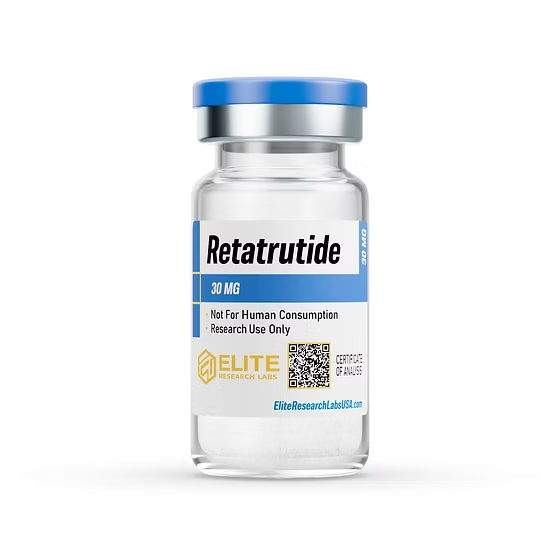
- Retatrutide: Triple agonist (GLP-1 + GIP + glucagon) — explained in detail below. Phase 3 trials show up to 28.7% weight loss in some studies, with no clear plateau observed yet. Not FDA-approved as of April 2026 (expected late 2026 to early 2027).
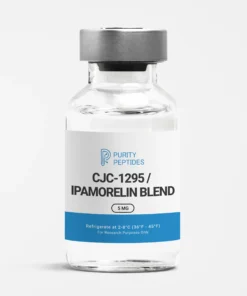
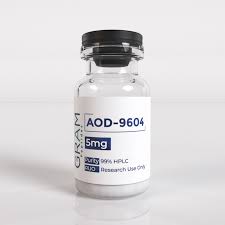
Supportive peptides such as AOD-9604 or CJC-1295 + Ipamorelin are sometimes added for targeted fat loss and muscle preservation, though they produce smaller standalone effects.
Retatrutide Peptides for Weight Loss: The Triple Agonist Explained
Retatrutide (LY3437943) is an investigational synthetic peptide developed by Eli Lilly. It is a first-in-class triple hormone receptor agonist that simultaneously activates three key receptors:
- GLP-1 receptor: Suppresses appetite and slows gastric emptying (similar to semaglutide and tirzepatide).
- GIP receptor: Enhances insulin sensitivity and may improve fat metabolism.
- Glucagon receptor: Increases energy expenditure and fat burning while helping regulate blood sugar.
This three-pronged approach goes beyond dual agonists like tirzepatide, potentially leading to greater overall weight loss by addressing both calorie intake and calorie burning.
Dosing and Administration
Retatrutide is given as a once-weekly subcutaneous injection. In clinical trials, dosing starts low and titrates up to 4 mg, 9 mg, or 12 mg to improve tolerability. It has a half-life of about 6 days, making weekly dosing convenient.
Weight Loss Results with Retatrutide
Retatrutide has shown some of the most impressive results in obesity trials:
- In phase 2 studies, the 12 mg dose led to an average 24.2% body weight reduction after 48 weeks, with weight loss continuing without a clear plateau.
- In phase 3 trials (as of early 2026):
- TRIUMPH-4 trial: Up to 28.7% average weight loss (about 71 lbs / 32 kg) at 68 weeks on the 12 mg dose in participants with obesity and knee osteoarthritis.
- TRANSCEND-T2D-1 trial (in type 2 diabetes): Up to 16.8% weight loss (36.6 lbs) at 40 weeks on 12 mg, with continued trajectory and no plateau observed.
- High responder rates: Over 90% of participants on higher doses achieved at least 10–15% weight loss, with many reaching 20%+.
Additional benefits include significant reductions in A1C (up to 2.0%), liver fat, blood pressure, and lipids, plus improvements in physical function and knee pain in relevant populations.
Benefits of Retatrutide Peptide Injections
- Potentially highest weight loss among peptide injections tested so far.
- Addresses both appetite control and increased energy expenditure.
- Promising for patients with obesity-related complications (e.g., type 2 diabetes, osteoarthritis).
- Once-weekly convenience with sustained effects.
Side Effects and Safety Considerations
Common side effects are similar to other GLP-1-based peptides and are mostly gastrointestinal:
- Nausea, vomiting, diarrhea, and constipation (dose-dependent and often improve with slow titration).
- Other reported effects include increased heart rate (peaks then declines) and mild injection-site reactions.
Discontinuation rates due to side effects have been relatively low (around 2–5% in trials). As with all rapid weight loss treatments, muscle preservation through strength training and adequate protein is important. Retatrutide is not recommended for people with certain thyroid conditions or a history of pancreatitis — full medical screening is essential.
Current Status (April 2026): Retatrutide remains investigational and is not FDA-approved. It is only available through ongoing clinical trials. Eli Lilly expects additional phase 3 readouts throughout 2026, with potential NDA submission and approval in late 2026 to early 2027. Compounded or unregulated versions are not legally available and carry significant safety risks.
Choosing the Right Peptide Injections for Weight Loss
- For maximum approved results now: Tirzepatide (often considered the current leader among available options).
- For proven safety and accessibility: Semaglutide.
- For highest potential future results: Retatrutide (monitor approval timeline) or CagriSema.
- For body recomposition: Consider stacking with supportive peptides like AOD-9604 under medical supervision.
Factors to consider include your BMI, medical history, tolerance for side effects, injection preference, cost, and insurance coverage. Peptide injections work best as part of a comprehensive plan with lifestyle changes and regular monitoring.
Final Thoughts on Peptide Injections for Weight Loss
In 2026, peptide injections for weight loss represent one of the most advanced tools available for managing obesity and metabolic health. Approved options like Tirzepatide and Semaglutide already deliver life-changing results for many, while Retatrutide peptide — with its triple-agonist mechanism and phase 3 data showing up to 28.7% weight loss — could set a new standard once approved.
Be the first to review “Retatrutide 10mg vial”
Related products
Peptides For Weight Loss
Peptides For Weight Loss
Peptides For Weight Loss
Peptides For Weight Loss
Peptides For Weight Loss
Peptides For Weight Loss
Peptides For Weight Loss
Peptides For Weight Loss
Reviews
There are no reviews yet.