
Natural Peptides for Weight Loss in 2026: Effective Options and 5-Amino-1MQ.
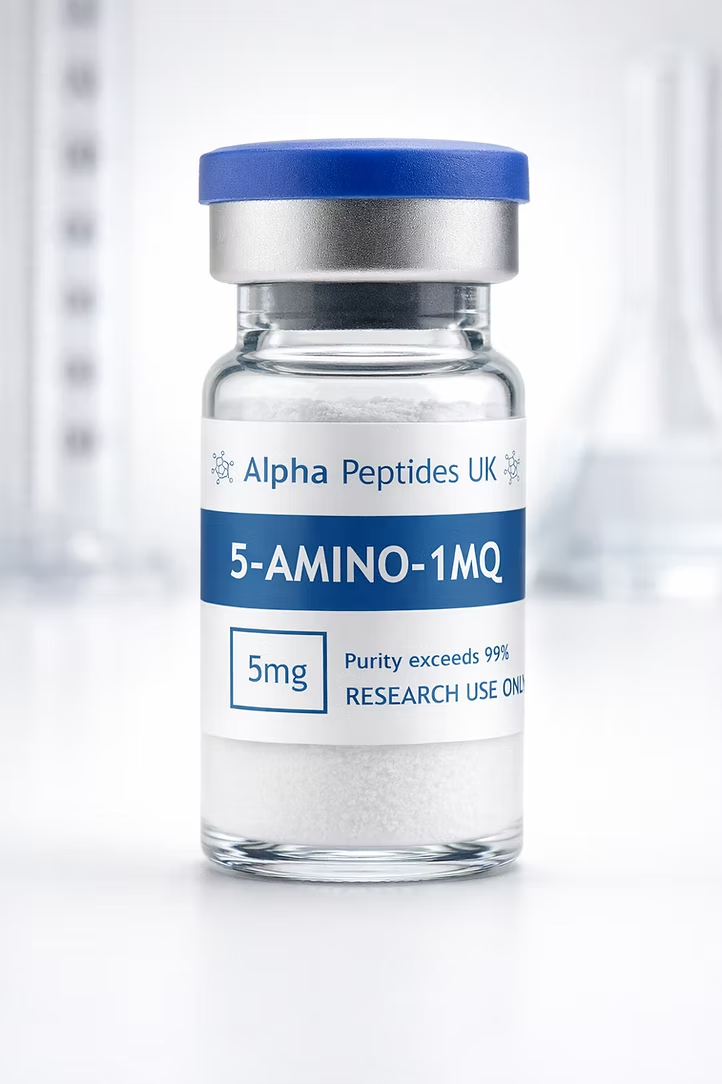
Looking for natural peptides for weight loss that support metabolism without relying solely on strong appetite suppression? In 2026, interest in compounds that work at the cellular level continues to grow. While GLP-1 agonists like Tirzepatide and Semaglutide deliver the most dramatic scale weight loss, supportive options such as 5-Amino-1MQ are gaining popularity for their ability to target fat cell metabolism, boost energy production, and promote a leaner body composition.
This guide explores the most discussed natural and supportive peptides for weight loss, how they work, and a complete breakdown of 5-Amino-1MQ — its unique mechanism, research findings, benefits, and current limitations.
What Are Natural Peptides for Weight Loss?
“Natural peptides” in the weight loss context usually refer to compounds that mimic or support the body’s own biological processes rather than synthetic hormone analogs. They often focus on improving mitochondrial function, fat oxidation, insulin sensitivity, or tissue repair instead of directly suppressing appetite.
Common categories include:
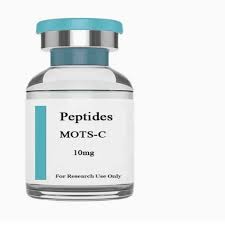
- Mitochondrial-derived peptides (e.g., MOTS-c)
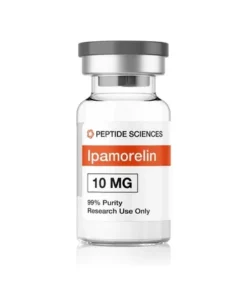
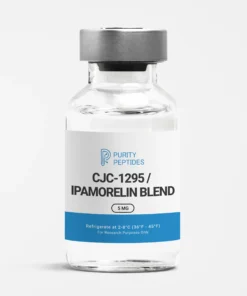
- Growth hormone secretagogues (e.g., CJC-1295 + Ipamorelin)
- NNMT inhibitors (e.g., 5-Amino-1MQ)
- Regenerative peptides (e.g., BPC-157 for recovery support)
These are frequently used alone or stacked with stronger GLP-1 injections for better metabolic health and sustainable fat loss. They tend to produce more moderate scale weight loss but can excel at improving body composition (less fat, better muscle retention).
Top Natural & Supportive Peptides for Weight Loss in 2026
- MOTS-c: A mitochondrial peptide that may enhance fat oxidation and insulin sensitivity.
- CJC-1295 + Ipamorelin: Boosts natural growth hormone for fat metabolism and muscle preservation.
- BPC-157: Primarily supports recovery and gut health, indirectly aiding consistent training and diet adherence.
- 5-Amino-1MQ: Detailed below — a small-molecule NNMT inhibitor often grouped with peptide therapies for its metabolic effects.
For maximum weight reduction, many combine these with approved GLP-1 options like Tirzepatide.
5-Amino-1MQ: A Promising Metabolic Peptide for Fat Loss
5-Amino-1MQ (5-amino-1-methylquinolinium) is a small molecule often discussed in the context of natural or supportive peptide-like therapies for weight loss. It is not a traditional peptide but functions similarly by targeting cellular metabolism. It is usually taken orally (capsules), though some protocols use it alongside injectable peptides.
How 5-Amino-1MQ Works
5-Amino-1MQ acts as a potent inhibitor of the enzyme NNMT (nicotinamide N-methyltransferase). NNMT is elevated in obese individuals and contributes to:
- Larger fat cells (adipocyte hypertrophy)
- Reduced NAD+ levels (important for energy production)
- Slower metabolism and increased fat storage
By blocking NNMT, 5-Amino-1MQ helps:
- Preserve higher NAD+ levels
- Activate AMPK (the “metabolic master switch”)
- Improve mitochondrial efficiency and fat oxidation
- Reduce fat cell size and visceral fat accumulation
This mechanism supports better energy use at the cellular level without directly affecting appetite hormones.
Research and Expected Results
Most strong evidence comes from preclinical (animal) studies:
- In diet-induced obese mice, 5-Amino-1MQ combined with a diet switch led to significant reductions in body weight and fat mass, normalizing levels close to lean controls.
- Fat cell size decreased by 30–40% in some studies, with notable reductions in visceral (dangerous abdominal) fat.
- Improved insulin sensitivity and glucose handling were observed without major changes in food intake.
Human clinical data remains limited as of 2026, with no large-scale, long-term randomized trials published. Anecdotal reports from wellness clinics often mention increased energy, better metabolic flexibility, and support for breaking weight-loss plateaus when stacked with diet, exercise, or GLP-1 peptides. Results are typically more noticeable in body composition (leaner look) than dramatic scale weight loss.
Benefits of 5-Amino-1MQ for Weight Loss
- Targets fat storage at the cellular level
- May help preserve muscle while promoting fat loss
- Supports mitochondrial health and energy production
- Potential synergy with exercise and other metabolic peptides
- Often well-tolerated with few reported gastrointestinal side effects compared to GLP-1 agonists
Side Effects and Safety
Reported side effects are generally mild and may include:
- Headache
- Mild digestive discomfort
- Temporary fatigue or flushing
Long-term safety in humans is not fully established due to limited large trials. It is not FDA-approved for weight loss or any medical condition. Quality and purity vary significantly with compounded or research-grade sources, so medical supervision and lab monitoring are strongly recommended.
How to Choose Natural Peptides for Weight Loss
- For maximum appetite control and scale loss: Start with FDA-approved GLP-1 options like Tirzepatide or Semaglutide.
- For cellular metabolism and fat oxidation support: Consider 5-Amino-1MQ or MOTS-c.
- For muscle preservation and recovery: Add CJC-1295 + Ipamorelin or BPC-157.
The most effective protocols are personalized. Factors like your starting metabolism, insulin sensitivity, activity level, and goals should guide choices. Always combine any peptide approach with a calorie-controlled diet rich in protein, resistance training, and adequate sleep.
Final Thoughts on Natural Peptides for Weight Loss
Natural peptides for weight loss offer an appealing option for those seeking metabolic support beyond traditional appetite suppressants. While GLP-1 injections remain the gold standard for significant results, compounds like 5-Amino-1MQ show promise by targeting NNMT and improving cellular energy efficiency — potentially helping with fat loss, insulin sensitivity, and long-term body composition.
| Weight | 5mg Vial, 10mg Vial |
|---|
Be the first to review “5-Amino-1MQ”
Related products
Peptides For Weight Loss
Peptides For Weight Loss
Peptides For Weight Loss
Peptides For Weight Loss
Peptides For Weight Loss
Peptides For Weight Loss
Peptides For Weight Loss
Peptides For Weight Loss
Reviews
There are no reviews yet.