
Peptide Injections for Weight Loss in 2026: Top Options and MOTS-c.
Peptide injections for weight loss are among the most advanced tools available today for targeting appetite, metabolism, and body composition. In 2026, FDA-approved options like Tirzepatide and Semaglutide deliver the largest average weight reductions, while emerging and supportive peptides such as MOTS-c are gaining attention for their potential to enhance metabolic function, insulin sensitivity, and fat oxidation.
This guide explores the leading peptide injections, how they work, expected results, and a detailed look at MOTS-c — its mitochondrial mechanism, research findings, role in weight loss protocols, and current limitations.
How Peptide Injections for Weight Loss Work
Peptide injections are typically administered subcutaneously (under the skin) once weekly or daily. They mimic or influence natural hormones and cellular signals to:
- Suppress appetite and cravings
- Slow gastric emptying for prolonged fullness
- Improve insulin sensitivity and blood sugar regulation
- Boost energy expenditure and fat metabolism (in certain peptides)
The most dramatic scale weight loss comes from GLP-1-based and multi-agonist peptides. Supportive peptides like MOTS-c are often used to optimize cellular metabolism and complement primary treatments.
Top Peptide Injections for Weight Loss in 2026
Here’s a comparison of the main options:
- Tirzepatide (Zepbound / Mounjaro): Dual GLP-1/GIP agonist — currently the strongest approved injectable, with average weight loss of 20–25.5% over 72 weeks. FDA-approved for chronic weight management.
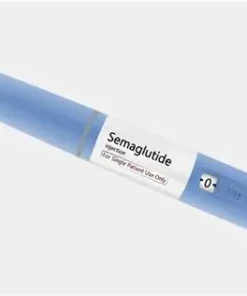
- Semaglutide (Wegovy / Ozempic): GLP-1 agonist delivering 15–20% average weight loss with strong cardiovascular benefits.
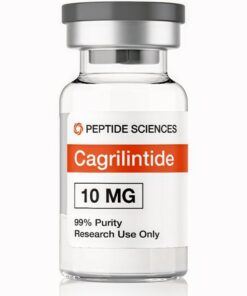
- CagriSema (Cagrilintide + Semaglutide): Investigational combination showing ~23% weight loss in trials (not yet FDA-approved).
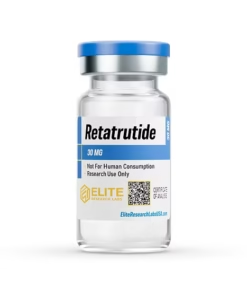
- Retatrutide: Investigational triple agonist with potential for even higher results (up to 28%+ in some data).
Supportive peptides such as CJC-1295 + Ipamorelin, AOD-9604, and MOTS-c are commonly added for metabolic support, fat oxidation, or muscle preservation.
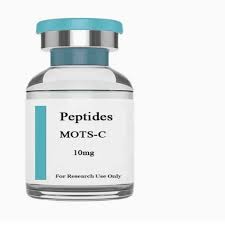
MOTS-c Peptide Injections: The Mitochondrial Metabolic Booster
MOTS-c (mitochondrial open reading frame of the 12S rRNA-c) is a 16-amino-acid peptide naturally encoded in the mitochondrial genome. It acts as a signaling molecule that helps regulate cellular energy balance, particularly in response to metabolic stress.
How MOTS-c Works
MOTS-c primarily activates the AMPK pathway (often called the “metabolic master switch”). This leads to:
- Increased glucose uptake and utilization in skeletal muscle
- Enhanced fat oxidation (burning fat for energy)
- Improved insulin sensitivity
- Reduced fat accumulation, especially in response to high-fat diets (shown in animal models)
Exercise naturally increases endogenous MOTS-c levels in human skeletal muscle and circulation, suggesting it plays a role in exercise-induced metabolic adaptations.
MOTS-c and Weight Loss: What the Research Shows
Most evidence for MOTS-c comes from preclinical (animal) studies:
- In mice fed high-fat diets, MOTS-c treatment prevented obesity, reduced insulin resistance, increased energy expenditure, and lowered fat accumulation without reducing food intake.
- It promoted a shift toward greater glucose utilization and heat production.
Human evidence remains limited as of 2026:
- Small studies and observational data link higher MOTS-c levels to better metabolic markers.
- A related analog (CB4211) showed glucose reduction and a trend toward weight loss in a short Phase 1 trial.
- Ongoing trials (e.g., NCT07505745) are exploring MOTS-c for insulin sensitivity in adults with prediabetes and overweight/obesity, with results expected in 2027.
- No large-scale, long-term human trials specifically demonstrate significant direct weight loss from MOTS-c injections.
In wellness and functional medicine settings, MOTS-c is sometimes used off-label or compounded as a supportive peptide alongside stronger weight-loss injections (like Tirzepatide) to potentially enhance fat metabolism, energy levels, and insulin sensitivity.
Typical Use and Dosing
When used in peptide protocols, MOTS-c is usually injected subcutaneously at doses ranging from 5–15 mg per week (often split into daily or every-other-day administrations), though protocols vary widely. It is not FDA-approved for weight loss or any therapeutic use.
Potential Benefits of MOTS-c in Weight Loss
- May support improved insulin sensitivity and metabolic flexibility
- Could enhance fat oxidation and energy production at the cellular level
- Might help break through weight-loss plateaus by optimizing mitochondrial function
- Potential synergy with exercise and primary GLP-1 peptides
Side Effects and Safety Considerations
Reported side effects from anecdotal use are generally mild and may include:
- Injection site reactions
- Temporary fatigue, headache, or flushing
- Mild gastrointestinal discomfort
- Heart palpitations or insomnia (less common)
Because large-scale human safety data is lacking, long-term risks are unknown. MOTS-c is not FDA-approved, and compounded versions carry quality and sterility concerns. It should only be considered under licensed medical supervision with proper lab monitoring.
Choosing the Right Peptide Injections for Weight Loss
- For maximum scale weight loss: Tirzepatide or Semaglutide remain the gold standard.
- For metabolic and mitochondrial support: MOTS-c may be added as an adjunct to enhance fat burning and insulin sensitivity.
- For body recomposition: Combine with GH-related peptides like CJC-1295 + Ipamorelin.
The best approach depends on your health goals, medical history, and tolerance. A comprehensive evaluation with bloodwork is essential before starting any peptide injection regimen.
Final Thoughts on Peptide Injections for Weight Loss
Peptide injections for weight loss continue to evolve rapidly in 2026. While Tirzepatide and similar GLP-1 agents deliver the most dramatic and clinically proven results, MOTS-c offers intriguing mitochondrial support that may help optimize metabolism, insulin sensitivity, and fat utilization — particularly as a complementary peptide.
Be the first to review “MOTS-c 10mg Vial”
Related products
Peptides For Weight Loss
Peptides For Weight Loss
Peptides For Weight Loss
Peptides For Weight Loss

Peptides For Weight Loss
Peptides For Weight Loss
Peptides For Weight Loss
Peptides For Weight Loss
Reviews
There are no reviews yet.