
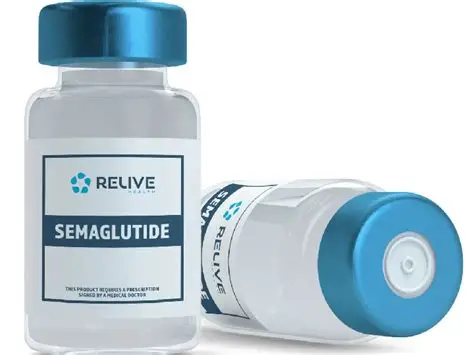
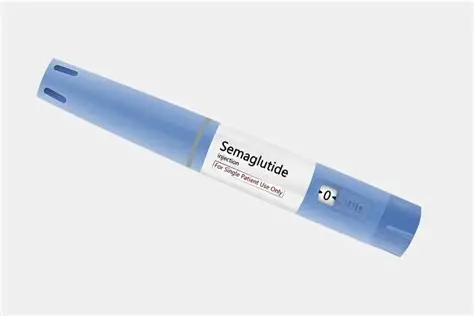
Peptides for Weight Loss (Semaglutide)
Are you exploring peptides for weight loss as a science-backed way to shed stubborn pounds, improve body composition, and boost metabolism? From FDA-approved GLP-1 agonists to growth hormone-supporting compounds, peptides have become a popular tool in modern weight management. This comprehensive guide breaks down how they work, the top options available, and a deep dive into Semaglutide peptide—one of the most effective and widely used.
Whether you’re dealing with obesity, seeking fat loss while preserving muscle, or looking for metabolic support, understanding peptides can help you make informed decisions under medical guidance.
What Are Peptides for Weight Loss?
Peptides are short chains of amino acids that act as signaling molecules in the body. For weight loss, they target key processes like appetite regulation, fat breakdown (lipolysis), gastric emptying, and hormone balance. Unlike traditional diets or supplements, many peptides mimic natural hormones to create sustainable calorie deficits and metabolic improvements.
There are two primary categories:
- GLP-1 Receptor Agonists (and dual/triple agonists): These dominate for significant weight reduction by suppressing hunger and slowing digestion.
- Growth Hormone-Releasing and Fat-Targeting Peptides: These support fat metabolism, muscle preservation, and body recomposition, often used alongside diet and exercise or in stacks.
Results vary by individual factors like diet, exercise, and starting weight. Clinical data shows GLP-1 options can deliver 15-25%+ body weight loss in many users, while others provide moderate fat loss with fewer appetite effects.
Important Note: Always consult a healthcare provider before starting any peptide therapy. These are typically administered via injection (some oral forms exist), and side effects or interactions can occur. FDA-approved versions have the strongest safety and efficacy data.
Top Peptides for Weight Loss in 2026
Here are the most discussed and effective peptides based on current research and clinical use:
- Tirzepatide (Mounjaro/Zepbound): A dual GLP-1/GIP agonist often considered one of the strongest for weight loss, with studies showing up to 20-22% average body weight reduction. It enhances appetite control, insulin sensitivity, and fat utilization more effectively than single-agonist options in many comparisons.
- Semaglutide (detailed below): A foundational GLP-1 agonist available in weekly injections (Wegovy/Ozempic) and emerging oral forms.
- CagriSema (Cagrilintide + Semaglutide combination): An investigational dual therapy showing promising additive effects, with trials indicating around 23% weight loss in some studies, potentially offering better tolerability.
- Retatrutide: A triple agonist (GLP-1/GIP/glucagon) in advanced trials with potential for even higher weight loss (up to 24-29% in early data), targeting multiple metabolic pathways.
- Liraglutide (Saxenda): An earlier daily GLP-1 option with solid but typically lower weight loss (around 5-10%) compared to newer agents.
Other supportive peptides for fat loss and body recomposition include:
- CJC-1295 + Ipamorelin: Growth hormone (GH) secretagogues that boost natural GH levels, aiding fat metabolism, muscle preservation, and recovery. Often stacked for improved body composition without major appetite suppression.
- AOD-9604: A modified fragment of human growth hormone designed specifically for lipolysis (fat breakdown). It’s popular for targeting stubborn fat areas with minimal impact on blood sugar.
- Tesamorelin: FDA-approved for reducing visceral (abdominal) fat in certain conditions; used off-label for belly fat loss.
Emerging or research peptides like MOTS-c (mitochondrial support) or 5-Amino-1MQ may offer metabolic boosts, but evidence is less robust.
Recent 2026 FDA developments around peptide reclassification may improve access to compounded versions of some non-GLP-1 peptides (e.g., CJC-1295, AOD-9604) under physician supervision.
Semaglutide Peptide for Weight Loss: How It Works, Benefits, and What to Expect
Semaglutide is a synthetic peptide that mimics the naturally occurring glucagon-like peptide-1 (GLP-1) hormone. Originally developed for type 2 diabetes, it gained massive popularity for weight management due to its powerful effects on appetite and metabolism.
Mechanism of Action
Semaglutide binds to GLP-1 receptors in the gut, pancreas, and brain. This leads to:
- Increased insulin release and reduced glucagon (helping stabilize blood sugar).
- Slowed gastric emptying, so you feel full longer after meals.
- Reduced appetite and food cravings via effects on the hypothalamus and brainstem.
The result? A natural calorie deficit without extreme willpower, making it easier to sustain healthy eating habits.
Benefits of Semaglutide Peptide
- Significant Weight Loss: Clinical trials show average reductions of 15-17% of body weight over 68+ weeks when combined with diet and exercise. Some users achieve more.
- Metabolic Improvements: Better blood sugar control, reduced risk of cardiovascular events in certain patients, and potential benefits for heart health.
- Convenience: Weekly subcutaneous injections (or daily oral Rybelsus for diabetes). Oral Wegovy options are expanding access in 2026.
- Long-Term Support: Helps maintain weight loss by addressing hormonal drivers of overeating.
Many report not just scale victories but improved energy, reduced inflammation, and better overall health markers.
Side Effects and Considerations
Common side effects are mostly gastrointestinal and often improve over time:
- Nausea, vomiting, diarrhea, constipation, or bloating.
- Fatigue, headache, or dizziness in some users.
Rarer risks include pancreatitis, gallbladder issues, or muscle loss if protein intake and strength training aren’t prioritized. It’s not suitable for everyone (e.g., those with certain thyroid or GI conditions). Starting at low doses and titrating up helps minimize issues.
Semaglutide works best as part of a comprehensive plan including a calorie-controlled diet, resistance training, and adequate protein to preserve muscle.
How to Choose the Right Peptide for Weight Loss
- For maximum appetite suppression and rapid results: Start with GLP-1 options like Semaglutide or Tirzepatide.
- For fat-specific targeting and muscle support: Consider AOD-9604, Tesamorelin, or CJC-1295/Ipamorelin stacks.
- Personalized Approach: Factors like your health history, goals (scale weight vs. body recomposition), and tolerance matter. Telehealth clinics and specialists often offer customized protocols or combinations.
Peptide therapy is not a standalone “magic shot”—pair it with lifestyle changes for the best, sustainable outcomes.
Final Thoughts on Peptides for Weight Loss
In 2026, peptides for weight loss represent an exciting advancement, with Semaglutide leading as a proven, accessible option that transforms how many people approach obesity and metabolic health. From powerful GLP-1 agonists to supportive GH peptides, the right choice can accelerate progress when used responsibly.
| Weight | 5mg vial, 10mg vial |
|---|
Be the first to review “Semaglutide”
Related products
Peptides For Weight Loss
Peptides For Weight Loss
Peptides For Weight Loss
Peptides For Weight Loss
Peptides For Weight Loss
Peptides For Weight Loss
Peptides For Weight Loss

Peptides For Weight Loss
Reviews
There are no reviews yet.